

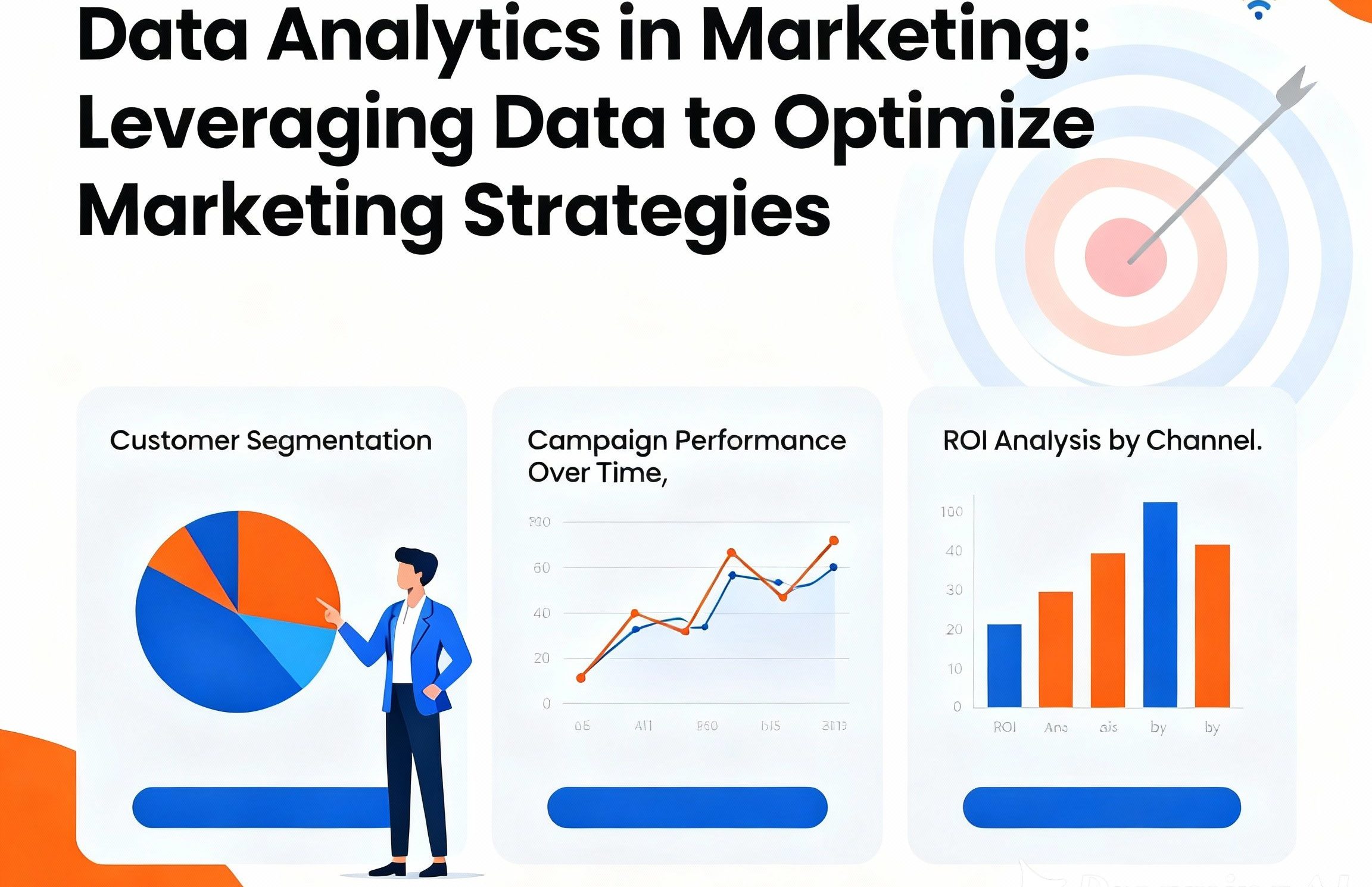
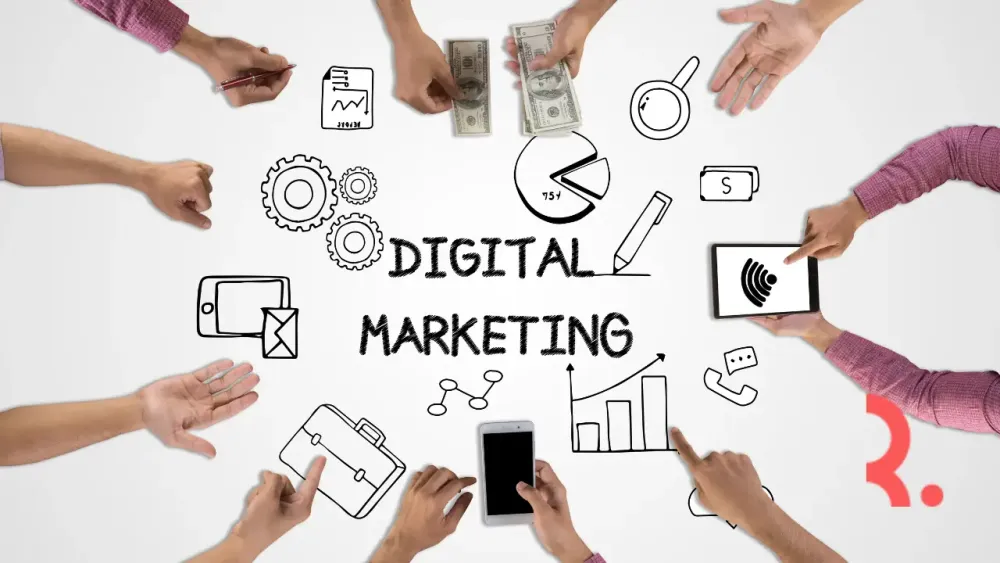
Data has become one of the most valuable assets in today’s business landscape, especially in marketing. Every online activity, customer interaction, and transaction leaves behind a trail of information that can be analyzed to produce meaningful insights. These insights enable marketers to make informed decisions and improve overall marketing performance.
In marketing activities, data helps companies understand their audiences, personalize customer experiences, and optimize campaign strategies more measurably. Furthermore, data also plays a role in tailoring promotional approaches to be more relevant and effective across all communication channels.
Why Is Data Used in Marketing Strategy?
Why should marketers use data? The answer is straightforward: data helps businesses make informed conclusions, understand consumer behavior, predict market trends, and design targeted promotional strategies. Without data, marketing decisions often rely on assumptions, which can lead to ineffective campaigns and wasted resources.
Who their target audience is
What products or services attract their interest
When is the most effective time to engage them
Which platforms perform best for promotion
How to measure and improve campaign success
Using data in marketing not only increases campaign effectiveness but also strengthens the relationship between brands and customers. Customers feel more valued when they receive relevant offers and personalized experiences tailored to their needs and preferences.
Still Confused About How to Use Data in Marketing?
Many marketers still struggle to apply data effectively in their marketing strategies. This article aims to provide a clear explanation of how data analytics enhances marketing performance, supported by practical examples and the use of relevant analytical tools.
1. Segmentasi Pelanggan (Customer Segmentation)
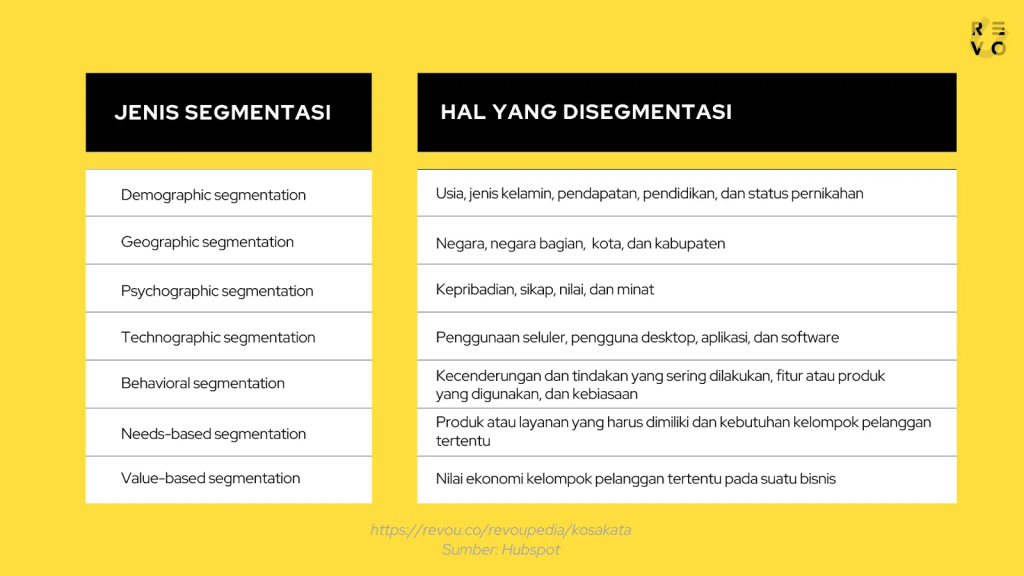
Customer segmentation enables businesses to divide their audience into specific groups based on characteristics such as demographics, location, purchase behavior, and interests. Through segmentation, marketers can deliver messages and products that are more relevant to each target group.
With accurate data, companies can determine:
Who their loyal customers are
Which groups purchase certain products most frequently
Which areas have the greatest marketing potential
For example, a soft drink company could target a digital advertising campaign to young people in a large city who are active on social media, rather than randomly targeting the entire population. This approach is more efficient, cost-effective, and has a higher chance of success. This segmentation also makes marketing communications feel more personalized and targeted.
—
2. Personalisasi Konten
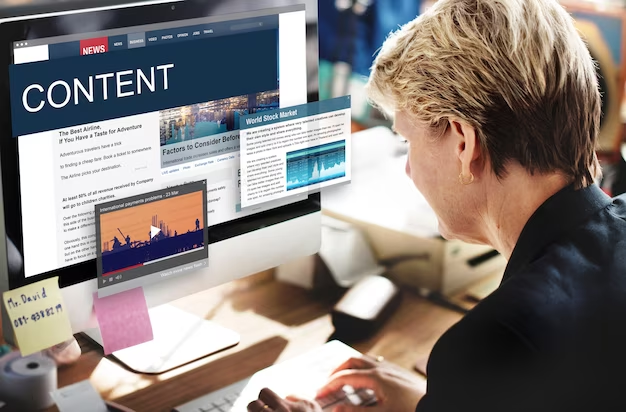
Personalization has become a central pillar of modern marketing. By leveraging data, brands can deliver highly tailored messages that resonate with individual customers and reflect their unique preferences.
Products viewed or purchased
Time spent on the website
Emails opened
Content clicked
By analyzing this data, companies can provide relevant product recommendations or promotional content tailored to each individual’s needs. For example, after you watch a movie on Netflix, the system will recommend other similar movies based on your preferences. Similarly, in e-commerce platforms like Tokopedia or Shopee, you will see products that match your previous searches or shopping cart.
With this personalization, customers feel more cared for and emotionally connected to the brand. This has the potential to increase loyalty, extend the customer cycle, and add long-term value to the company.
3. Optimasi Kampanye Marketing
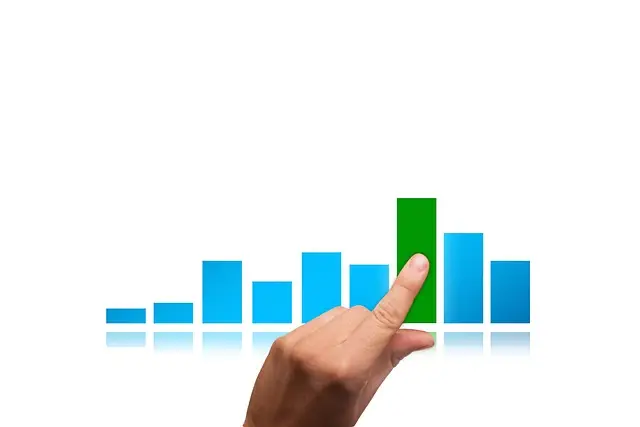
Campaign optimization is a continuous process aimed at improving overall marketing effectiveness through ongoing evaluation and data-driven adjustments.
Some important questions that can be answered with data analysis:
Which ads perform best?
Which content is shared or liked the most?
Which channel is most effective (email, social media, or SEO)?
Using data, companies can conduct A/B testing to test two versions of a campaign and choose the one with the highest engagement rate. For example, if it turns out that audiences are more interested in short videos than infographics, the next content strategy could focus on the video format.
This optimization strategy includes:
Determining the best posting times
Adjusting the design and language of content
Determining advertising budget allocation based on the performance of each channel
As a result, every marketing spend becomes more efficient and can be accounted for based on data.
4. Prediksi Tren Pasar
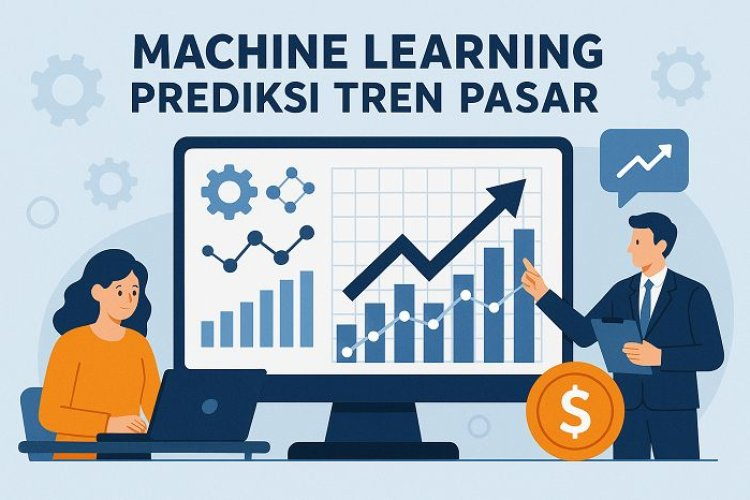
By analyzing historical and behavioral data, companies can predict future consumer behavior. Advanced technologies such as machine learning, predictive modeling, and big data analytics help uncover hidden patterns and anticipate market shifts.
For example, a fashion company can predict which colors or clothing styles will be trending next season based on last year’s sales and social media conversations.
The benefits of predicting market trends include:
Managing inventory more accurately
Avoiding losses due to overproduction
Preparing promotional calendars and launching new products in a timely manner
With this predictive capability, companies are better prepared to face market changes and outperform competitors who still rely on traditional approaches.
5. Tools Analytics dalam Marketing
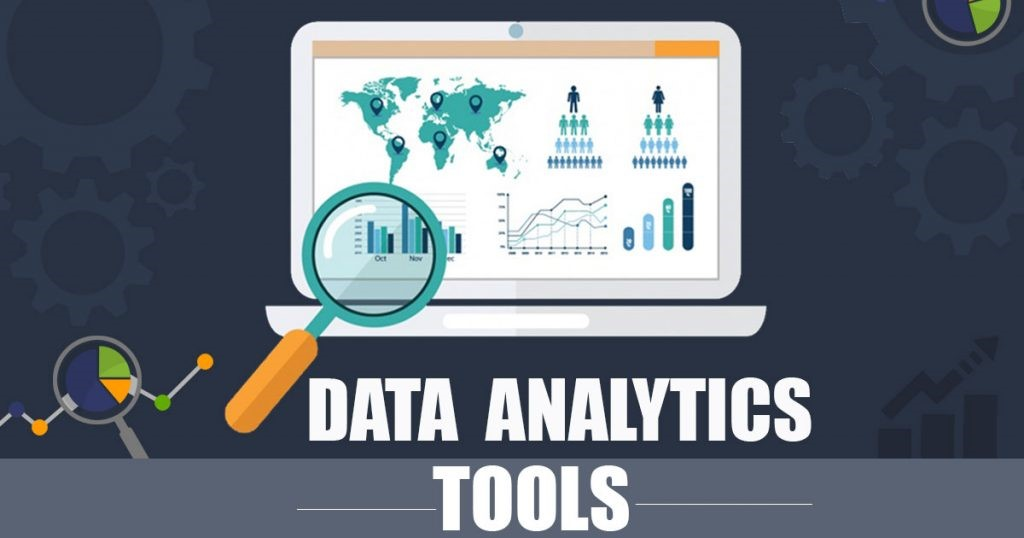
For all of the above processes to run effectively, tools are needed that can collect, analyze, and present data easily. Some popular analytics tools in the marketing world include:
Google Analytics
Tracks website visitor behavior: pages visited, traffic sources, visit duration, and conversions.
Tableau
A data visualization tool for creating interactive charts and dashboards, helping marketing teams understand data in easy-to-read visuals.
Customer Relationship Management (CRM) Tools
Such as HubSpot and Salesforce are used to manage customer interaction history, automate email marketing, and analyze sales performance.
Social Media Insights
Tools like Meta Business Suite, Instagram Insights, and TikTok Analytics are useful for monitoring social media campaign performance—including reach, engagement, and audience demographic profiles.
With these tools, companies can make data-driven marketing decisions in real time, rather than relying solely on intuition.
Conclusion
Data is no longer just a supporting element in marketing—it has become the foundation for building effective, measurable, and results-driven marketing strategies. Companies that can harness the power of data will gain deeper customer insights, make smarter decisions, and achieve sustainable growth.
Through sharp segmentation, content personalization, campaign optimization, and accurate trend predictions, data has become a driving force for business growth. Therefore, mastering data analytics in marketing is not only an advantage but a primary requirement in today’s digitally competitive era.