

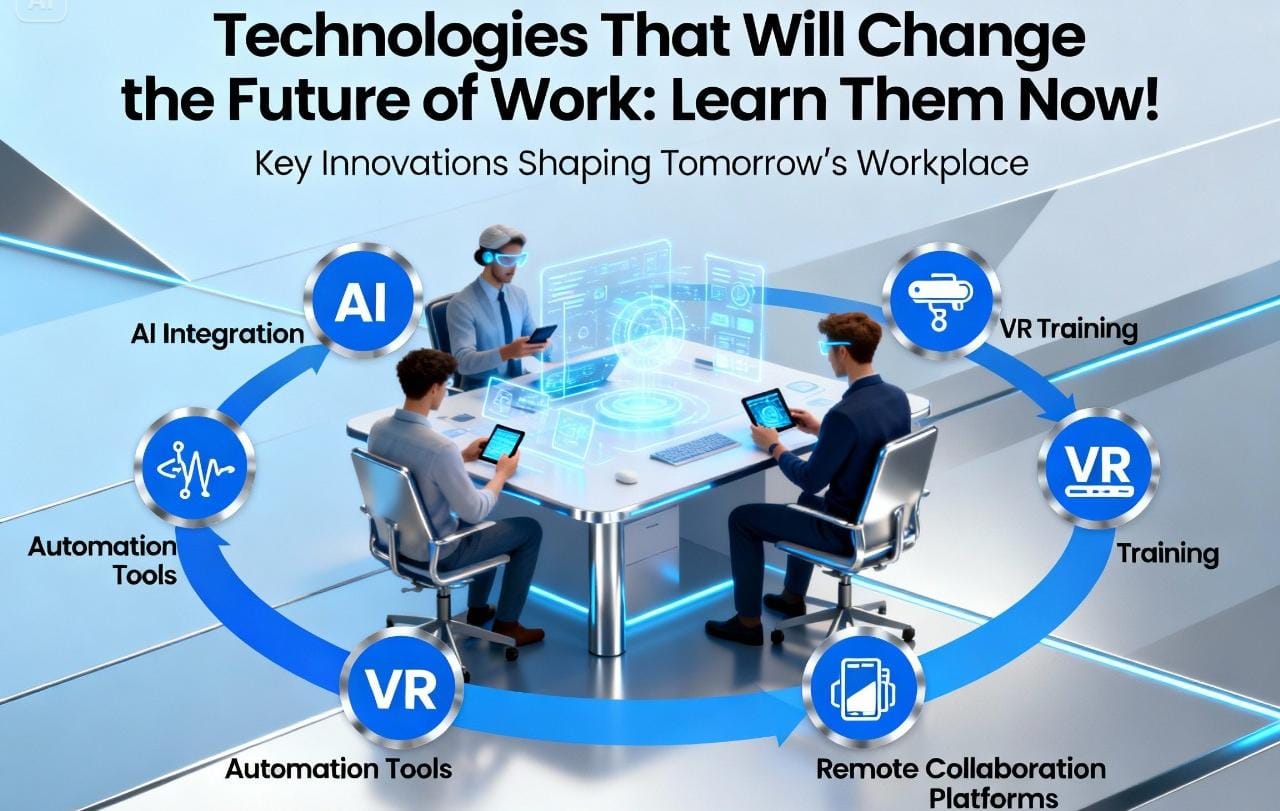
The world of work is undergoing a profound transformation. Fueled by rapid technological advancements, industries are being reshaped, job roles redefined, and new opportunities emerging every day. To stay relevant and competitive, it is essential to understand the technologies driving this change and to develop the skills needed to work effectively alongside them.
This article explores five major technologies shaping the future of work and the essential skills you should begin developing today.
1. Artificial Intelligence (AI)
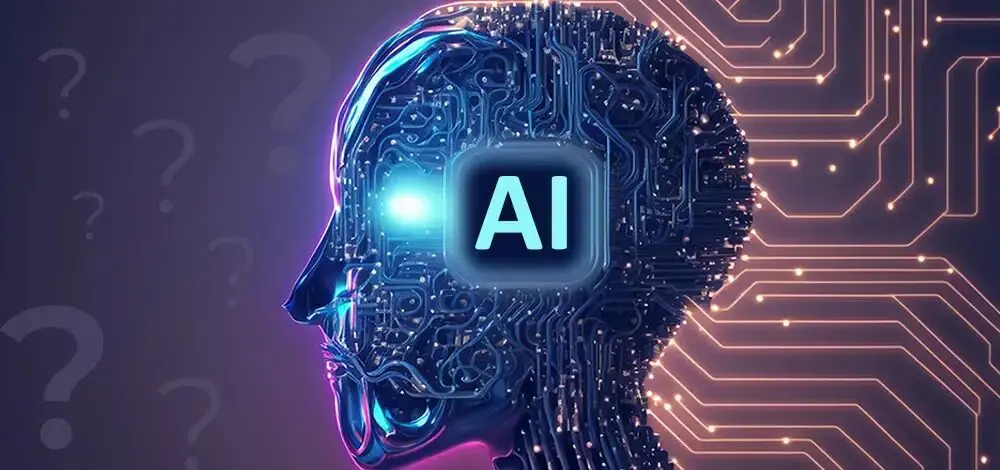
Artificial Intelligence (AI) is already transforming how organizations operate. From personalized recommendations on streaming platforms to advanced fraud detection in banking, AI applications have become deeply integrated into our daily lives. Technologies such as machine learning, natural language processing, and computer vision are streamlining workflows, enhancing customer experience, and driving smarter decision-making processes
AI applications span nearly every industry including healthcare (predictive diagnostics), retail (chatbots and behavior analysis), finance (algorithmic trading), and transportation (autonomous vehicles). Skills to Learn:
- Machine Learning and Deep Learning – Understand algorithms and neural networks that allow machines to learn from data.
- Data Analytics – Use data to generate actionable insights.
- Prompt Engineering – Optimize interactions with AI models like ChatGPT for specific outcomes.
- AI Ethics – Explore fairness, transparency, and accountability in AI systems.
As AI becomes more sophisticated, professionals with a deep understanding of these tools will be in high demand
2. Blockchain

Originally known for powering cryptocurrencies like Bitcoin, blockchain is now revolutionizing the way businesses think about trust, transparency, and security. At its core, blockchain is a decentralized ledger that records transactions in a secure and verifiable manner.
Industries such as finance, supply chain, healthcare, and real estate are exploring blockchain for managing contracts, verifying credentials, and ensuring data integrity.
Skills to Learn:
- Smart Contract Development – Create self-executing contracts using platforms like Ethereum.
- Blockchain Security – Protect decentralized systems from vulnerabilities.
- Cryptocurrency Fundamentals – Understand how digital currencies function and the economics behind them.
- Decentralized Applications (dApps) – Build applications that run on peer-to-peer networks.
- Blockchain’s decentralized nature promises to disrupt centralized systems and create new business models across industries.
3. Internet of Things (IoT)
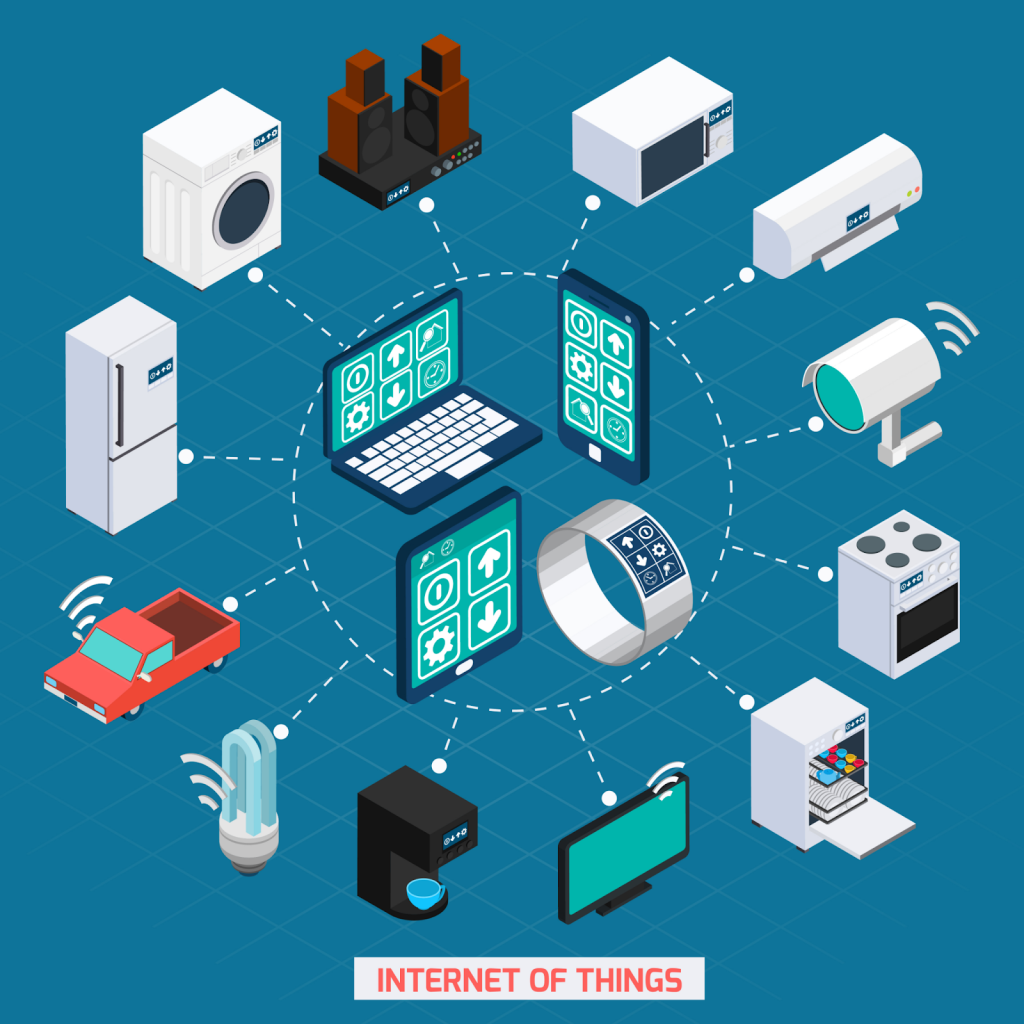
The Internet of Things connects physical objects — from smart refrigerators to industrial machines — to the internet, enabling them to collect, share, and analyze data. As IoT becomes more widespread, it’s powering smart homes, smart cities, connected vehicles, and more efficient factories.
This growth demands professionals who can develop, manage, and secure interconnected devices and systems.
Skills to Learn:
- IoT Device Programming – Learn how to code for sensors and microcontrollers like Arduino or Raspberry Pi.
- Network Security – Secure the vast data generated and transmitted by IoT systems.
- Data Visualization – Translate raw IoT data into insights using dashboards and analytics tools.
- Cloud Computing – Understand how cloud infrastructure supports scalable and distributed IoT systems.
- The future workplace will be more connected than ever — and those who can manage these systems will be invaluable.
4. Augmented Reality (AR) and Virtual Reality (VR)
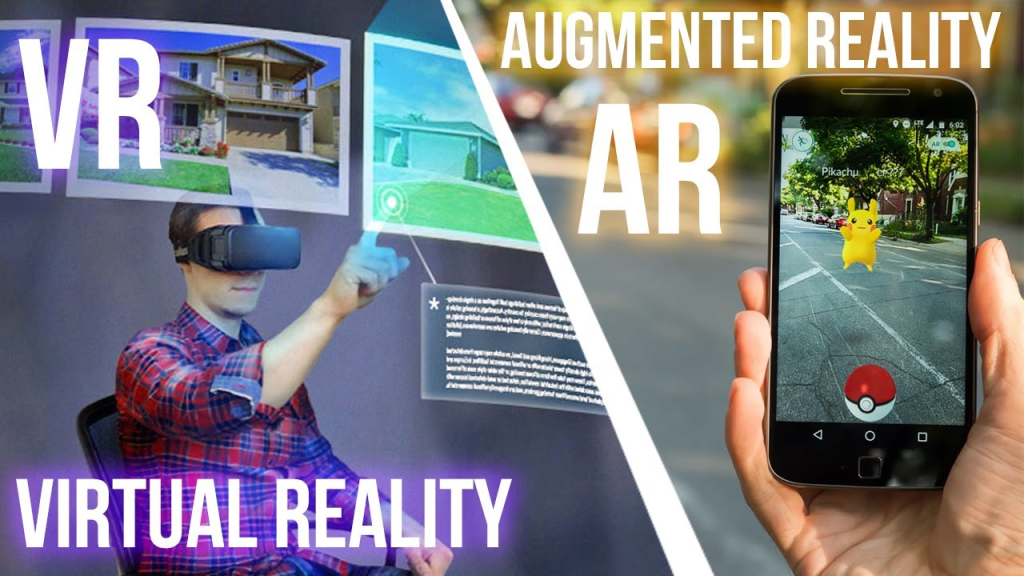
Augmented Reality (AR) and Virtual Reality (VR) are no longer confined to gaming. They are now widely applied in training simulations, remote collaboration, virtual retail experiences, architectural visualization, and even healthcare therapy. They offer immersive, engaging environments that enhance how we learn, interact, and make decisions.
For instance, medical students can now perform virtual surgeries using VR, and retailers can let customers “try on” clothes or furniture using AR.
Skills to Learn:
- 3D Modeling and Design – Use tools like Blender or Maya to create immersive environments.
- Unity or Unreal Engine – Develop interactive AR/VR experiences.
- UX/UI Design for AR/VR – Focus on how users interact in three-dimensional spaces.
- Spatial Computing – Learn how machines understand and interact with the physical world.
With the rise of remote and hybrid work, immersive technologies such as AR and VR will continue to redefine collaboration, training, and product development.
5. Robotics
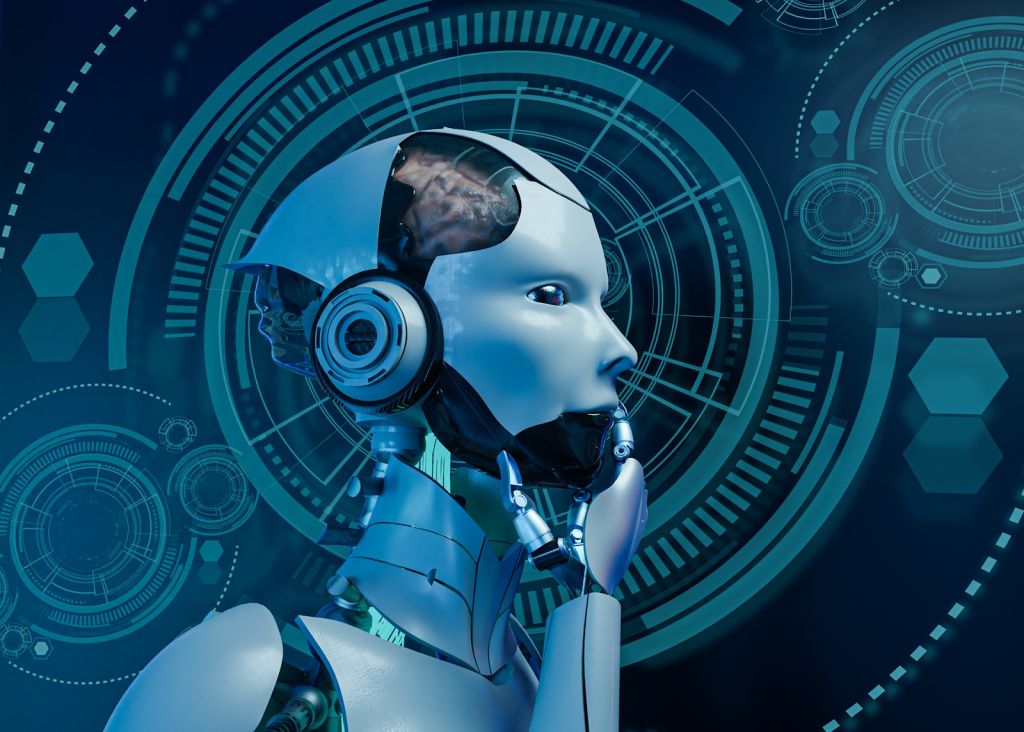
Robots are no longer the stuff of science fiction. In factories, robots are assembling cars with precision. In hospitals, robotic arms assist in delicate surgeries. In warehouses, robots handle logistics and inventory management. Even service robots — such as cleaners and delivery bots — are entering our everyday lives.
Robotics helps organizations automate repetitive or dangerous tasks, improve efficiency, and reduce costs.
Skills to Learn:
- Robotics Programming – Code robots using languages like Python, C++, or ROS (Robot Operating System).
- Mechatronics – Integrate mechanics, electronics, and computing in robotic systems.
- Automation Tools – Work with programmable logic controllers (PLCs) and robotic process automation (RPA) tools.
- Sensor Technology – Understand how robots perceive and interact with their environment.
- Robotics is essential in fields like manufacturing, logistics, defense, and medicine — and demand for skilled professionals is only growing.
Final Thoughts: How to Prepare for the Future of Work
While these technologies may seem overwhelming, the good news is: you don’t need to master them all at once. The key is to stay curious, commit to lifelong learning, and begin with the technology most aligned with your career interests.
Here are a few practical tips to help you get started:
1. Take Online Courses – Platforms like Coursera, edX, and Udemy offer beginner to advanced courses in AI, blockchain, IoT, and more.
2. Work on Projects – Apply your learning through hands-on projects to build a strong portfolio.
3. Join Tech Communities – Participate in hackathons, online forums, or local meetups to stay updated and network with peers.
4. Follow Industry Trends – Subscribe to newsletters, blogs, and YouTube channels that cover emerging technologies.
5. Never Stop Learning – The pace of change will only accelerate. Adopting a growth mindset is your most valuable asset.
—
The Future Won’t Wait
The workplace of tomorrow will look very different from today. Roles will evolve, some jobs will disappear, and entirely new careers will emerge. By investing in yourself now — learning new technologies and developing adaptable skills — you’re not only securing your place in the future, but also becoming a driver of innovation and change.
So start today. Choose a technology that excites you, explore it deeply, and take the first step toward becoming future-ready.
Because in the world of tomorrow, the best time to learn — is now